After a car accident, most drivers focus on the obvious damage: a dented bumper, a cracked fender, or scratches in the paint. Headlights and taillights often receive less attention, especially when they're still illuminating and appear relatively intact. However, even a minor collision can compromise a vehicle's lighting system in ways that aren't immediately visible.
Modern headlights and taillights are more complex than simple bulbs behind plastic covers. They contain mounting components, electrical connections, seals, and, in some vehicles, sophisticated technology that adjusts lighting based on driving conditions. When these components are damaged or shifted during an accident, the consequences can extend well beyond cosmetic concerns.
Understanding what to look for after a collision can help prevent small lighting issues from becoming larger repair problems or potential safety hazards.
Hidden Headlight and Taillight Damage: What You Can't Always See
Collision damage doesn't have to be severe to affect a vehicle's lighting assemblies. Even a low-speed bumper impact can transfer enough force to crack a housing, break a mounting bracket, or disrupt internal components.
Some of the most common types of lighting damage include:
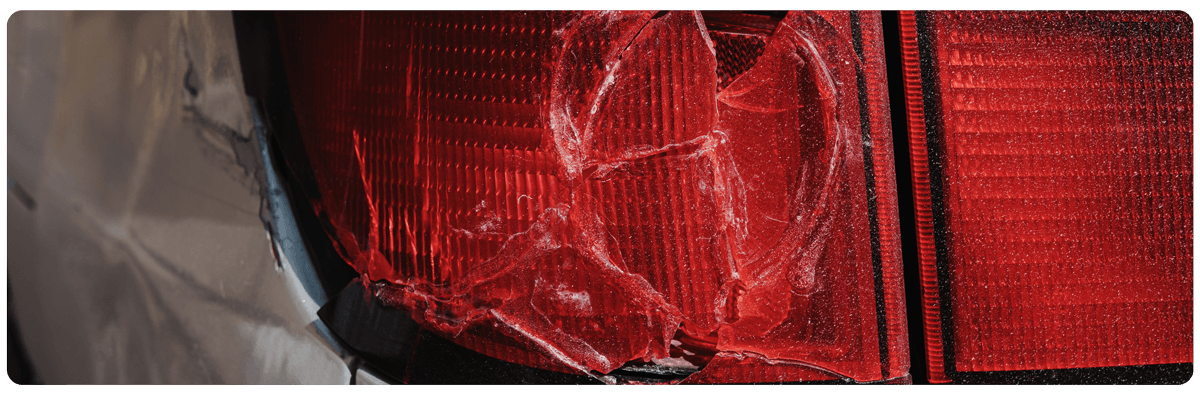
Cracked lenses or housings: Small fractures can allow moisture, dirt, and debris to enter the assembly, potentially damaging internal components and reducing lighting performance.
Broken mounting brackets: Headlights and taillights rely on secure mounting points to maintain proper positioning. A broken bracket can allow an assembly to shift or vibrate, even if the exterior appears undamaged.
Moisture intrusion: Damage to seals or housings may allow water into the lighting assembly, leading to condensation, electrical corrosion, or premature component failure.
Damaged wiring or connectors: An impact can loosen electrical connections or damage wiring behind the bumper, resulting in intermittent lighting issues or complete failure.
Internal component damage: Modern LED and adaptive lighting assemblies may contain electronic modules, motors, and sensors that can be affected by collision forces without showing obvious external damage.
The challenge is that many of these problems can't be identified through a quick visual inspection. In some cases, surrounding bumper covers or body panels must be removed to evaluate the full extent of the damage.
Why Proper Headlight Alignment Matters After an Accident
One of the most frequently overlooked concerns after a front-end collision is headlight alignment. Even when a headlight continues to work, its positioning may have changed because of a damaged mounting bracket, shifted body panel, or movement within the lighting assembly.
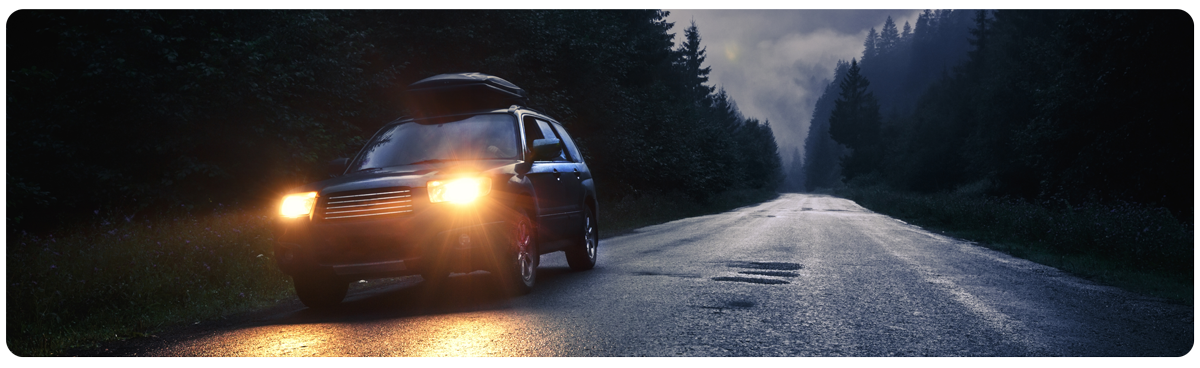
Headlights are designed to illuminate specific areas of the roadway while limiting glare for oncoming drivers. When they're aimed incorrectly, drivers may experience reduced visibility at night, uneven illumination, or lighting that shines too high or too low.
This becomes especially important on Colorado roads, where nighttime driving, poorly lit areas, and changing weather conditions can make visibility critical.
Some newer vehicles also feature adaptive headlights that adjust their direction or beam pattern based on steering input, vehicle speed, or other driving conditions. Following a collision, these systems may require additional inspections, diagnostic procedures, or calibration according to the manufacturer's specifications.
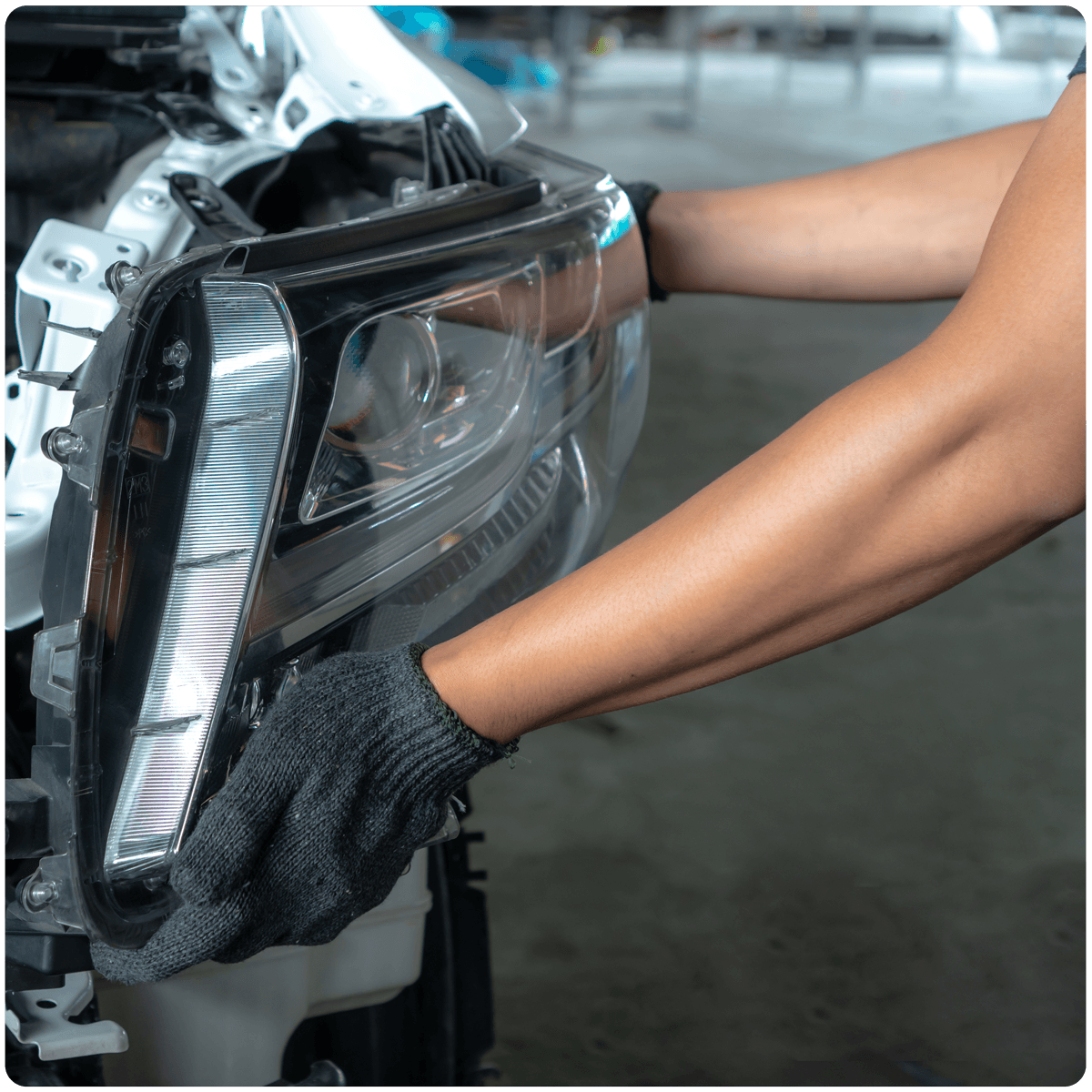
Simply replacing a damaged headlight doesn't always complete the repair.
Proper mounting, positioning, and headlight aiming are essential parts of restoring the lighting system's intended performance.
Taillight Damage Can Create Safety Problems, Too
While headlights help drivers see the road ahead, taillights communicate important information to everyone behind them. Brake lights, turn signals, and rear running lights help surrounding drivers recognize when a vehicle is slowing, stopping, or changing direction.
A damaged taillight assembly can compromise these functions even when the lens appears mostly intact. Cracked housings may allow moisture to reach electrical components, while damaged mounting points can cause the assembly to fit incorrectly against surrounding body panels. In some cases, a light may function normally immediately after an accident but develop problems later as water intrusion or electrical damage progresses.
A taillight that looks slightly misaligned or has a small crack shouldn't automatically be dismissed as cosmetic damage. Those details may indicate additional damage that needs to be addressed during collision repair.
How Lighting Systems Are Inspected During Collision Repair
A complete collision damage assessment should consider more than whether the headlights and taillights turn on. Depending on the vehicle and location of the impact, a professional inspection may include checking the condition of the housings, mounting brackets, seals, wiring, and surrounding structural components.
Technicians may also need to evaluate the fit and positioning of the lighting assemblies, confirm that all lighting functions operate correctly, and determine whether manufacturer-required aiming or calibration procedures apply.
When replacement is necessary, selecting the appropriate components and installing them according to vehicle manufacturer specifications is important. Improperly secured or positioned lighting assemblies can create problems that aren't obvious until the vehicle is back on the road.
A thorough repair process addresses both visible collision damage and the underlying issues that could affect vehicle performance over time.
Don't Assume Minor Collision Damage Means Minor Repairs
A cracked taillight or slightly shifted headlight might seem like a small concern compared to other collision damage, but overlooking these components can create unnecessary safety risks and additional repair expenses.
At Elevated Auto Body, we understand that quality collision repair means looking beyond the visible damage. Our team evaluates affected vehicle components and follows applicable manufacturer repair procedures to help ensure repairs address more than just the vehicle's appearance.
If you've been involved in an accident, whether it's a minor parking lot collision or a more significant impact, having your vehicle professionally inspected can help identify hidden damage before it develops into a larger problem.

Looking for professional auto collision repair in Lafayette, Louisville, Broomfield, or surrounding Boulder County communities?
Contact Elevated Auto Body to schedule an estimate and make sure your vehicle receives the attention it deserves.
Visit Elevated-AutoBody.com/appointments to get started.