Can You Drive Your Car After a Collision? What’s Safe and What’s Not.
After an accident, one of the first questions most drivers ask is simple: “Can I still drive my car?”
Sometimes the answer is yes. Other times, driving even a short distance can make the damage worse or create serious safety risks. The challenge is that not all collision damage is obvious. A vehicle might look mostly fine on the outside while critical systems underneath have been compromised.
At Elevated Auto Body, we regularly inspect vehicles that seemed “drivable” after a collision but had hidden structural, suspension, cooling, or sensor-related damage that made them unsafe to stay on the road. Understanding what to look for after an accident can help protect both your vehicle and your safety.
When It May Be Okay to Drive Temporarily
Minor accidents do not always leave a vehicle unsafe to operate. In some cases, it may be reasonable to drive your vehicle a short distance until it can be professionally inspected.
Generally, temporary driving may be possible if:
The vehicle starts normally
There are no warning lights on the dashboard
Steering feels normal
Brakes respond properly
There are no fluid leaks
Tires appear intact and aligned
Nothing is dragging underneath the vehicle
Doors, hood, and trunk latch securely
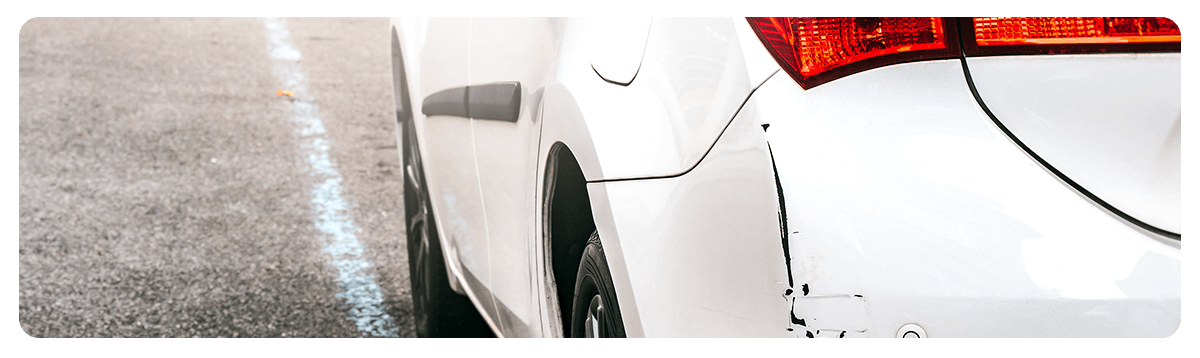
For example, a very low-speed parking lot bump that causes only cosmetic damage to a bumper or panel may not affect drivability. Even then, it is still important to schedule an inspection. Modern vehicles rely heavily on sensors, cameras, and safety systems hidden behind body panels that can become misaligned during even minor impacts.
Structural Damage Is Not Always Visible
One of the biggest misconceptions after an accident is assuming the damage is only cosmetic.
Modern vehicles are engineered with crumple zones and structural components designed to absorb impact energy during a collision. Even relatively small accidents can shift or weaken these areas.
If the frame or structural supports are compromised, the vehicle may:
Handle unpredictably
Protect occupants less effectively in a future collision
Experience uneven tire wear
Develop alignment issues
Cause suspension stress over time
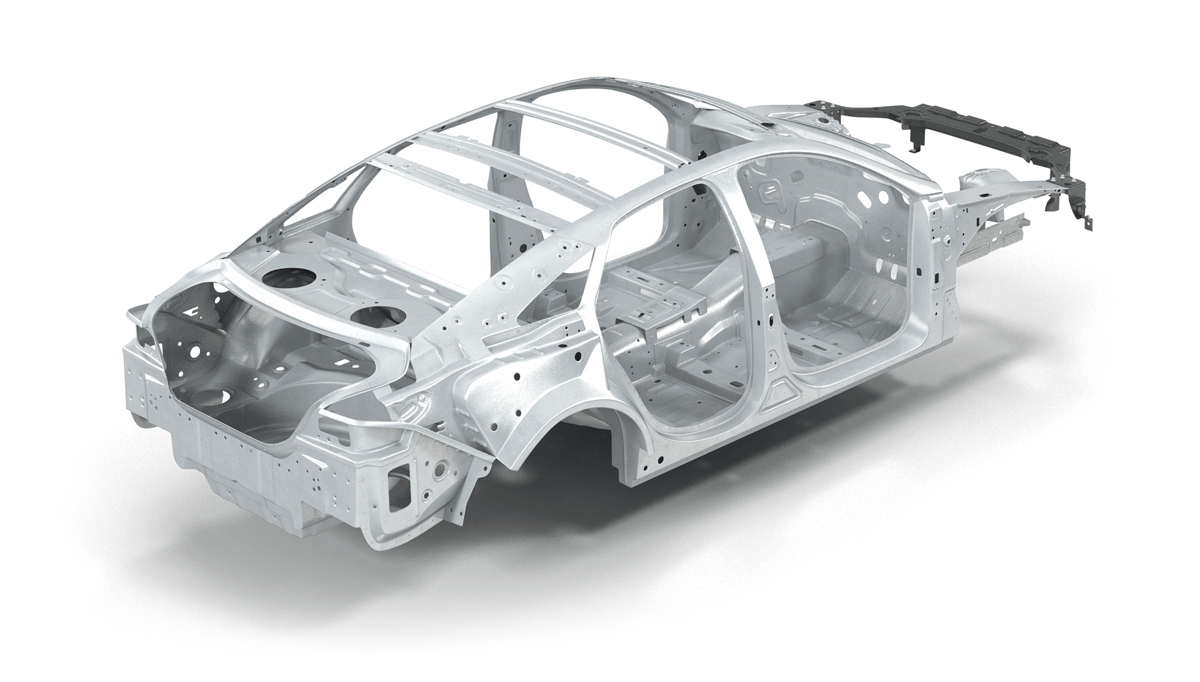
Signs of potential structural damage include:
Uneven gaps between body panels
Doors that no longer close correctly
Steering pulling to one side
A crooked steering wheel while driving straight
New rattles or vibrations
Many drivers continue operating vehicles with hidden structural damage because the car still “feels fine.” Unfortunately, those issues often worsen over time and can affect both safety and repair costs later.
Suspension and Alignment Problems Can Become Dangerous Quickly
Your suspension system takes a major hit during many collisions, especially front-end or wheel-area impacts.
Even a relatively small accident can bend suspension components, damage wheel assemblies, or throw off your alignment. Sometimes the changes are subtle at first, but they can quickly become dangerous at highway speeds.
Warning signs include:
Vehicle drifting left or right
Uneven steering response
Vibrations in the steering wheel
One corner of the car sitting lower than the others
Uneven tire wear after the accident
Driving with suspension damage can place additional stress on tires, brakes, and steering components. In more severe cases, it can reduce your ability to maintain control during emergency maneuvers.
If your steering or alignment feels different after an accident, it is best to stop driving and have the vehicle inspected immediately.
Hidden Cooling System Damage Can Lead to Engine Failure
Front-end collisions often impact more than just the bumper and grille area. Behind those components sits the cooling system, including the radiator, condenser, fans, hoses, and support structures.
A vehicle may appear drivable immediately after an accident but develop overheating issues shortly afterward.
Signs of cooling system damage include:
Steam coming from under the hood
Rising engine temperature gauge
Coolant leaks
Sweet or chemical odors
Warning lights appearing after driving
Continuing to drive an overheating vehicle can cause catastrophic engine damage. If you notice any cooling system concerns after a collision, the safest option is to stop driving and arrange for towing.
Modern Safety Sensors May No Longer Function Correctly
Today’s vehicles contain advanced driver assistance systems (ADAS), including:
Blind spot monitoring
Lane departure warnings
Adaptive cruise control
Collision avoidance systems
Backup cameras and parking sensors
Many of these systems rely on sensors and cameras mounted behind bumpers, windshields, mirrors, and grilles. After a collision, those components can become misaligned even if there is no visible exterior damage.
That means systems you rely on for safety may no longer function properly.
For example:
A blind spot monitor may fail to detect another vehicle
Automatic emergency braking may activate incorrectly
Lane assist systems may drift or misread lane markings
Professional calibration and inspection are often necessary after repairs to ensure these systems work correctly again.
When You Should Not Drive Your Vehicle
There are situations where driving after a collision is simply not worth the risk.
You should avoid driving the vehicle if:
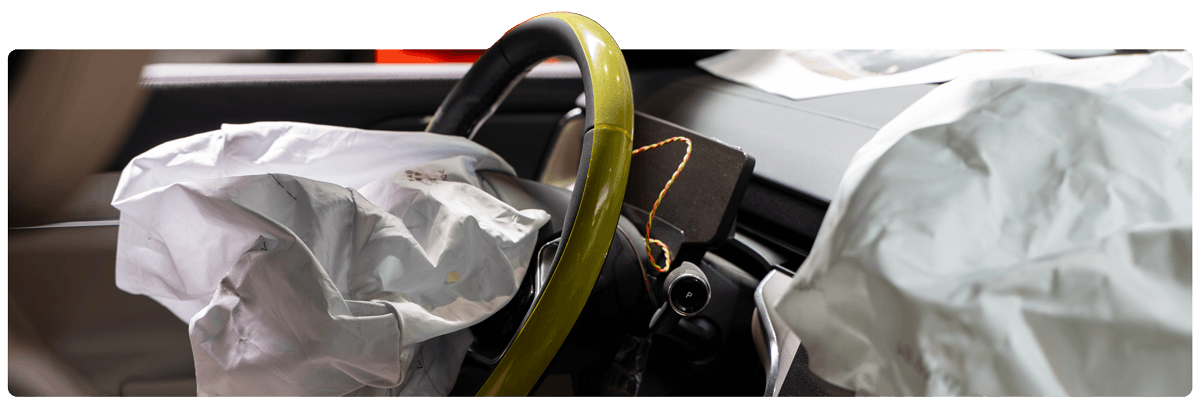
Airbags deployed
Fluids are leaking
Steering feels unstable
The vehicle overheats
Brakes feel weak or inconsistent
Warning lights appear
Tires are damaged or rubbing
The vehicle makes grinding, scraping, or clunking noises
Visibility is obstructed
The car pulls aggressively while driving
In these cases, towing the vehicle is usually the safest and most cost-effective decision.
Driving a damaged vehicle can worsen repair costs significantly and may put you or others at risk on the road.
Why a Professional Inspection Matters
After an accident, visible damage is only part of the story.
A professional collision inspection can identify:
Hidden structural issues
Suspension damage
Sensor and calibration problems
Cooling system leaks
Safety concerns that are not obvious during normal driving
At Elevated Auto Body, our team performs detailed collision inspections to ensure vehicles are repaired correctly, safely, and according to manufacturer standards. We understand how modern vehicle systems work together and how hidden damage can impact long-term performance and safety.
Even if your car seems drivable after an accident, having it inspected quickly can help prevent larger issues later and give you peace of mind before getting back on the road.