Why Two Estimates for the Same Damage Can Be So Different
If you’ve ever received two repair estimates for the same damage and wondered how they could be so far apart, you’re not alone. One shop comes in thousands lower. Another is significantly higher. On the surface, it feels like someone has to be wrong. The reality is more nuanced. Collision repair isn’t standardized in the way most people expect. Two estimates can look at the same vehicle and reflect very different approaches to the repair.
Understanding why that happens can help you make a more informed decision, not just the cheapest one.
What Goes Into a Collision Repair Estimate
An estimate is more than a quick visual assessment. A thorough estimate considers:
The full scope of visible damage
Potential hidden damage beneath panels
Manufacturer repair procedures
Parts selection and availability
Labor time and complexity
Materials required for refinishing and blending
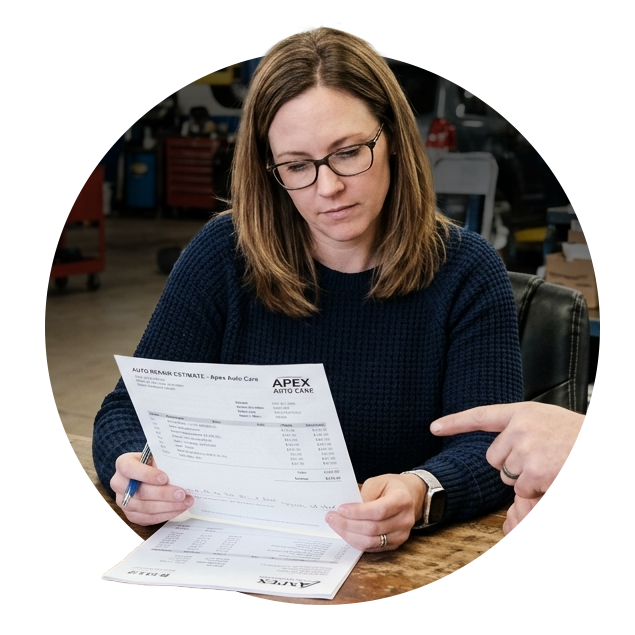
At Elevated Auto Body, we approach estimates with the expectation that what you see initially is rarely the full story. Modern vehicles are built with layered components, sensors, and structural elements that aren’t always visible until disassembly begins.
Some shops estimate only what they can see. Others plan for a more complete repair from the start. That difference alone can create a large gap in pricing.
Where Lower Estimates Often Cut Corners
A lower estimate doesn’t always mean a better deal. In many cases, it reflects what is not included.
Here are some of the most common ways estimates are reduced:
Skipping necessary procedures
Certain steps, like pre- and post-repair scans, calibration of sensors, or corrosion protection, may be omitted to lower the cost. These steps are often required by manufacturers but not always included in basic estimates.
Using lower-cost parts
Aftermarket or recycled parts can reduce the price, but they may not fit or perform the same as original equipment manufacturer (OEM) parts. This can impact both appearance and long-term durability.
Minimal refinishing work
Paint blending into adjacent panels ensures a seamless finish. Some estimates only include painting the damaged area, which can result in visible color differences.
Not accounting for hidden damage
If a shop writes a quick estimate without factoring in what’s likely beneath the surface, the initial number may look appealing, but it often increases later once repairs begin.
Why Higher Estimates Aren’t Just “More Expensive”
A higher estimate often reflects a more complete and accurate approach.
This can include:
Following manufacturer repair procedures exactly
Including all required scans and calibrations
Planning for proper disassembly and reassembly
Using OEM parts where appropriate
Accounting for refinishing that matches the rest of the vehicle
It’s not about inflating cost. It’s about doing the repair correctly the first time. In many cases, a higher estimate upfront can prevent delays, supplemental charges, or quality issues later.
The Role of Insurance
Insurance estimates are another factor that can create confusion. Insurance carriers typically write initial estimates based on what is visible and what they are willing to approve at that stage. These estimates are often lower because they don’t include everything that will ultimately be required.
As the repair progresses, shops submit supplements to account for additional damage or necessary procedures. This is a normal part of the process. A reputable shop will work directly with your insurance company to ensure the repair meets proper standards, not just minimum approvals.

How to Compare Estimates the Right Way
When you’re reviewing multiple estimates, it’s important to look beyond the final number.
Instead, ask questions like:
Are OEM parts included or assumed?
Does the estimate include blending adjacent panels?
Are safety-related procedures like scans and calibrations listed?
Has the shop explained the potential for hidden damage?
Do they follow manufacturer repair guidelines?
Two estimates might look similar at a glance, but the details tell a very different story.
What You’re Really Paying For
Collision repair isn’t just about fixing what you can see. It’s about restoring your vehicle to a safe, reliable condition.

When you choose a repair shop, you’re paying for:
The accuracy of the diagnosis
The quality of the parts and materials
The expertise of the technicians
The integrity of the repair process
At Elevated Auto Body, we focus on delivering repairs that meet the highest standards, not just the lowest price point. That means taking the time to assess the full scope of damage, following proper procedures, and ensuring the finished result looks and performs the way it should.
The Bottom Line
If two estimates are far apart, it doesn’t necessarily mean one is right and one is wrong. It usually means they’re approaching the repair differently. The key is understanding what’s included, what’s not, and what that means for your vehicle long-term. A lower estimate might save money upfront, but a more thorough repair often delivers better results, fewer surprises, and greater peace of mind.
If you’re unsure how to evaluate your estimate or want a second opinion, our team is here to walk you through it.