What Happens During a Final Quality Check After Auto Collision Repair?
When auto collision repair is complete, there is still one important step before the keys should be handed back to the customer: the final quality check.
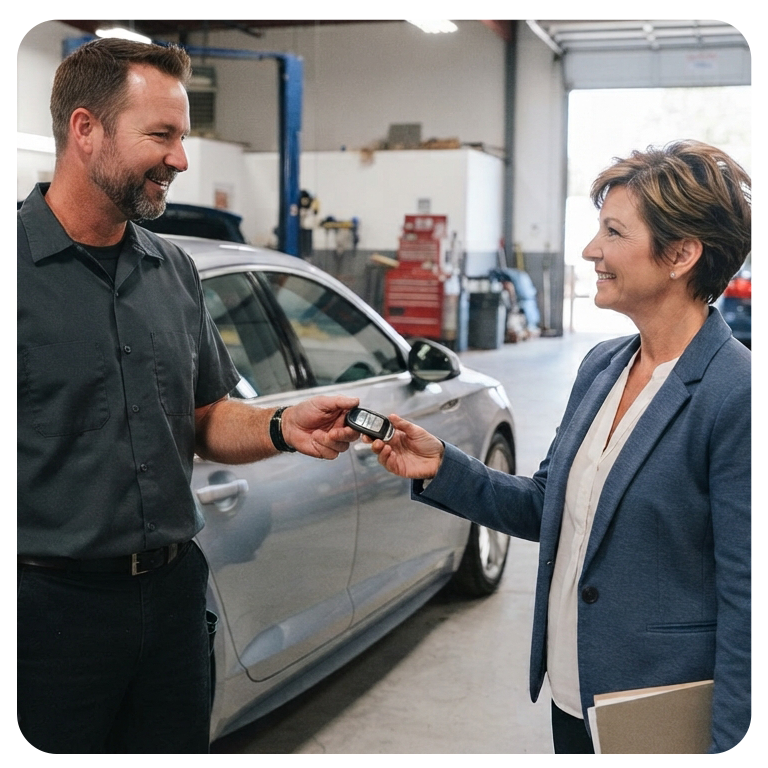
A repaired vehicle may look great from across the parking lot, but quality control involves much more than checking whether the new paint is shiny.
A professional auto body shop should review the completed repair from multiple angles, making sure repaired components fit properly, electronics function as expected, safety systems have been addressed, and the overall repair meets the shop’s standards before the vehicle is ready for pickup.
The final quality-control process can vary depending on the vehicle and the type of repair performed, but there are several important areas that should be reviewed.
What Does a Final Auto Collision Repair Inspection Include?
Depending on the repair, a final quality check may include:
Checking panel alignment and gaps
Testing headlights, taillights, signals, and other electronics
Confirming doors, the hood, and trunk open and latch correctly
Inspecting paint color, texture, and finish
Completing post-repair diagnostic scans
Verifying required calibrations and safety systems
Checking repaired and reassembled components
Road-testing the vehicle when appropriate
Reviewing the completed repair before customer pickup
Each of these steps helps confirm that the vehicle is not simply finished cosmetically, but that the repair has been completed thoroughly.
Checking Panel Alignment and Gaps
One of the first things a technician may review is how the repaired or replaced exterior components fit together. Body panels are designed with consistent spacing between doors, fenders, quarter panels, the hood, trunk, bumpers, and other surrounding parts.
After an auto collision repair, those gaps should look even and the panels should sit where they are supposed to. A panel that sits too high, too low, too far inward, or too far outward can affect both the appearance of the repair and how surrounding components operate.
Technicians can also check that trim pieces, moldings, emblems, weatherstripping, and other components removed during the repair have been properly reinstalled.
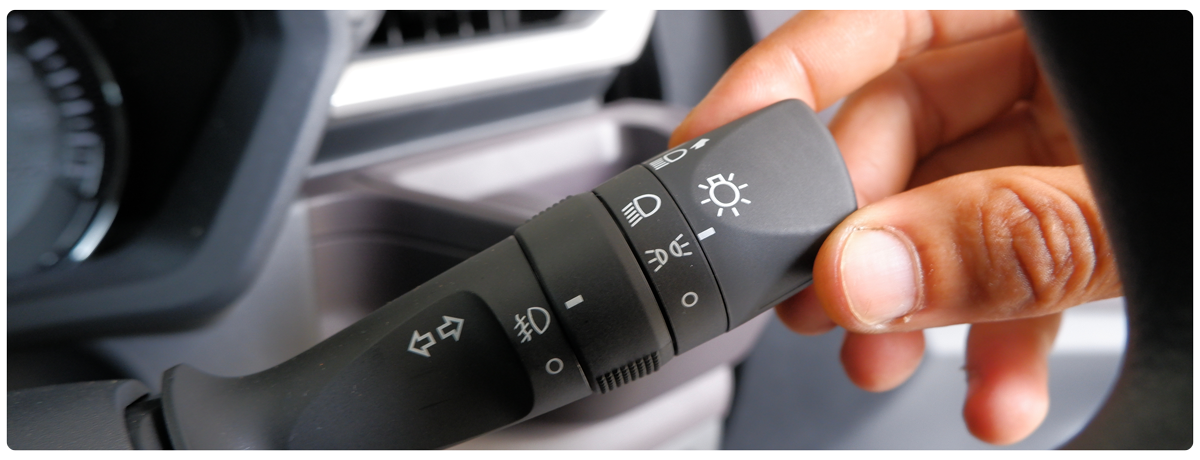
Testing Lights, Electronics, and Vehicle Features
Modern auto collision repair involves much more than sheet metal and paint. Vehicles now contain extensive wiring, cameras, sensors, computers, lighting systems, and electronic components, many of which may need to be disconnected or removed during a repair.
Before the vehicle is returned, technicians may verify that affected features are operating properly. Depending on the repair, that can include:
Headlights and taillights
Brake lights and turn signals
Power windows and locks
Backup cameras
Parking sensors
Mirrors
Interior controls
Other electronic components affected by the repair
A vehicle can look completely repaired while still having an electrical connection or sensor issue that needs attention. That is one reason the final quality check should go beyond appearance.
Making Sure Doors, the Hood, and Trunk Work Correctly
Any moving panel involved in or located near the damaged area should operate the way it is supposed to. Doors should open and close smoothly, the hood and trunk should latch securely, and repaired panels should not rub, bind, or require excessive force to operate.
This is also another opportunity to check alignment. If a door suddenly requires more effort to close or a trunk does not sit evenly when latched, it can indicate that additional adjustment is needed before the repair is considered complete.
These details may seem small, but they make a noticeable difference in how the vehicle feels once it is back in the owner’s hands.
Inspecting the Paint and Finish
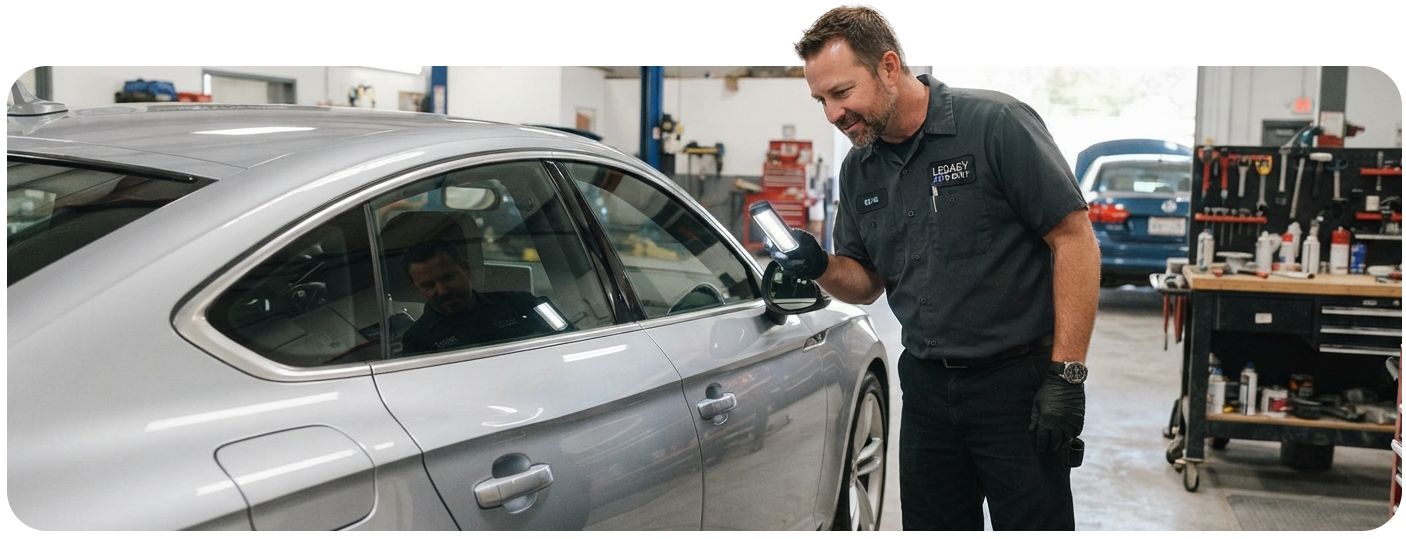
Paint is one of the most visible parts of an auto collision repair, so the final inspection should include a close look at the repaired area under proper lighting.
Technicians can review the color match, gloss, texture, and transitions between repaired and surrounding panels. They may also look for imperfections in the finish and confirm that edges, jambs, trim areas, and neighboring surfaces were properly finished and cleaned.
A quality paint repair should blend naturally with the rest of the vehicle. The goal is not simply to make the damaged panel look newer, but to make the repair feel like it belongs with the vehicle as a whole.
Completing a Post-Repair Diagnostic Scan
On modern vehicles, some of the most important parts of a final quality check cannot be completed with a visual inspection alone.
Vehicle computers communicate with dozens of electronic modules that control systems such as airbags, braking, steering, blind-spot monitoring, parking sensors, lane assistance, and other advanced features. A post-repair diagnostic scan can identify stored trouble codes, communication issues, or other electronic concerns that may need to be addressed before the vehicle is returned.
This provides another layer of verification after the physical repairs have been completed and helps technicians identify issues that would not necessarily be visible during a traditional inspection.
Verifying Safety Systems and Calibrations
Many newer vehicles use Advanced Driver Assistance Systems, or ADAS, to support features such as lane departure warnings, adaptive cruise control, automatic emergency braking, blind-spot monitoring, and parking assistance.
Depending on where the vehicle was damaged and what components were repaired or replaced, cameras, radar units, sensors, or other systems may require calibration. The final repair process should confirm that any required procedures have been completed and that affected safety systems are operating as intended.
This is an increasingly important part of professional auto collision repair because a bumper, windshield, mirror, or body panel may contain or affect technology that plays a role in how the vehicle responds on the road.
Road-Testing the Vehicle When Appropriate
Some repairs benefit from a road test before the vehicle is returned. A technician may drive the vehicle to listen for unusual noises, evaluate steering and handling, check for vibrations, and confirm that repaired components behave normally under real driving conditions.
Not every repair requires the same type of road test, and what needs to be checked depends on the damage and work performed. When appropriate, however, driving the vehicle gives the shop another opportunity to identify something that may not appear while the car is sitting inside the facility.
If anything feels or sounds unusual, the vehicle can be brought back in and evaluated before the customer arrives.
Reviewing the Completed Auto Collision Repair
The final step is looking at the repair as a whole. Rather than focusing on a single replaced panel or painted area, the shop should confirm that the work outlined in the repair plan has been completed and that the vehicle is ready to leave.
This final review may include checking:
Repaired and replaced parts
Fit and finish
Electronics and lighting
Diagnostic results
Required calibrations
Cleanliness of the repaired areas
Any remaining repair documentation
The vehicle can then be cleaned and prepared for pickup, giving the customer an opportunity to review the completed work and ask any final questions.
Why the Final Quality Check Should Never Be Rushed
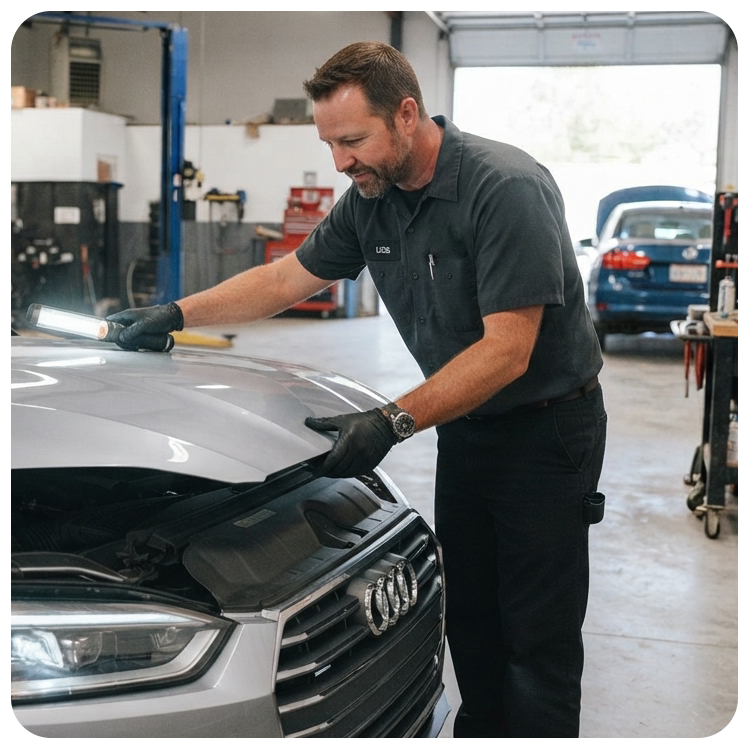
Auto collision repair is a process, and the final quality check is what helps bring all of those individual steps together.
A repair can involve body work, structural repairs, replacement parts, refinishing, electronics, sensors, diagnostics, and reassembly. Taking the time to review the completed vehicle helps make sure those pieces work together before the vehicle returns to the road.
At Elevated Auto Body, we believe the last inspection matters just as much as the first. Our team approaches auto collision repair with attention to both the details you can see and the systems you cannot, so you can feel confident when it is time to get back behind the wheel.
If you need professional auto collision repair in Lafayette, Louisville, Broomfield, Boulder, or the surrounding the Colorado Front Range, contact Elevated Auto Body to schedule an estimate and learn more about our repair process.