What Happens If You Delay Collision Repairs?
After a collision, many drivers choose to wait before fixing the damage. Sometimes the car still drives fine. Sometimes the damage looks minor. Other times people are simply busy, dealing with insurance, or hoping to avoid the inconvenience of repairs.
While waiting may seem harmless, delaying collision repairs can actually create bigger problems for your vehicle over time. What starts as cosmetic damage can gradually turn into mechanical issues, safety concerns, and more expensive repairs down the road.
Understanding what happens when repairs are postponed can help you make the best decision for your vehicle.
Small Damage Can Become a Bigger Problem
Many accidents leave behind dents, cracked paint, or small areas where the metal underneath is exposed. Even if the damage looks minor, the protective layers of the vehicle have often been compromised.
Modern vehicle finishes include several protective coatings that prevent corrosion. Once those layers are damaged, moisture can reach the metal underneath. Over time, this exposure can lead to rust.
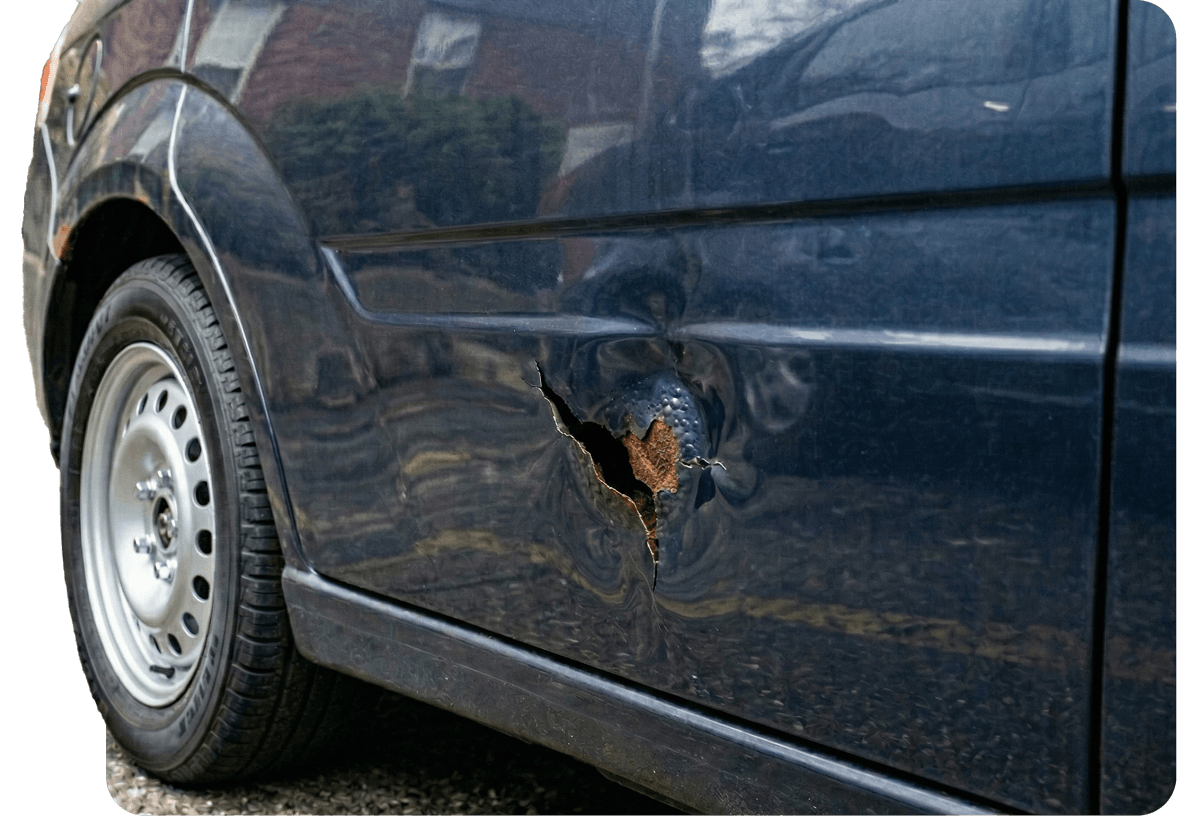
Rust spreads slowly but consistently. What could have been repaired with a simple panel repair or paint correction can eventually require much larger work, including panel replacement or extensive refinishing.
Addressing damage early helps prevent corrosion from spreading and keeps repairs smaller and more manageable.
Structural Alignment Can Shift Over Time
Not all collision damage is visible from the outside. Even low-speed accidents can cause subtle alignment changes in the frame or suspension components.
When alignment is slightly off, your vehicle may still drive normally at first. However, over time this misalignment can lead to uneven tire wear, steering issues, and additional stress on suspension components.
Drivers may notice symptoms such as:
The vehicle pulling slightly to one side
Uneven tire wear
Steering that feels slightly off-center
Vibrations while driving
These issues often worsen the longer the damage goes unaddressed. Repairing the vehicle sooner allows technicians to correct alignment before additional parts begin wearing prematurely.
Safety Systems May Not Function Properly
Modern vehicles rely heavily on advanced safety technology. Many systems depend on sensors, cameras, and radar equipment located throughout the vehicle’s body panels, bumpers, and windshield areas.
Even minor damage can affect how these systems operate.
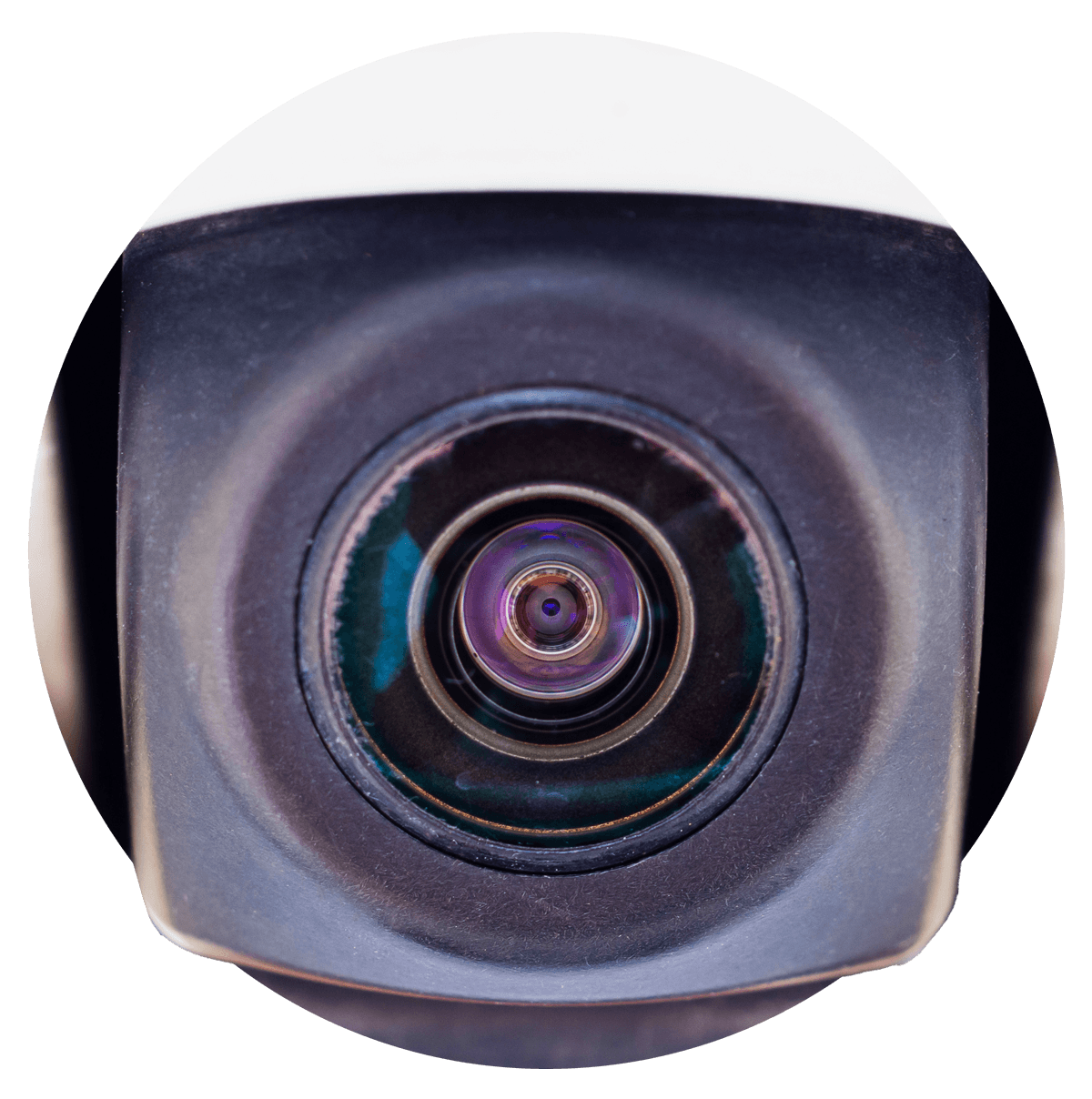
Some of the safety features that may be impacted include:
Backup cameras
Blind spot monitoring
Lane departure warning systems
Parking sensors
Forward collision warning systems
In many cases, drivers won’t immediately notice a problem. However, misaligned sensors or damaged mounts can cause these systems to operate incorrectly or fail when they are needed most.
Prompt repairs allow technicians to inspect these systems and ensure they are properly calibrated.
Weather Exposure Can Make Damage Worse
Vehicles are constantly exposed to weather conditions. Rain, snow, road salt, and temperature changes all affect damaged areas more aggressively than intact surfaces.
For example:
Cracked paint allows moisture underneath the finish.
Bent panels can trap water and debris.
Loose trim pieces can worsen with wind or road vibration.
Winter conditions in Colorado can be particularly hard on damaged vehicles because road salt accelerates corrosion. Waiting several months before repairing damage can allow rust to spread much faster.
Repairing the damage early helps preserve the integrity of the vehicle’s finish and structure.
Insurance Coverage Can Become Complicated
Another factor many drivers do not consider is how insurance timelines may affect the repair process.
If a repair is delayed for an extended period, insurance companies may question whether additional damage occurred after the accident. This can make claims more complicated or require additional documentation to confirm the original cause.
Addressing repairs sooner helps ensure the claim process moves smoothly and prevents confusion about the source of the damage.
Repair Costs Can Increase Over Time
One of the most common misconceptions about collision damage is that waiting will help avoid spending money right away. In reality, delaying repairs often increases the total cost.
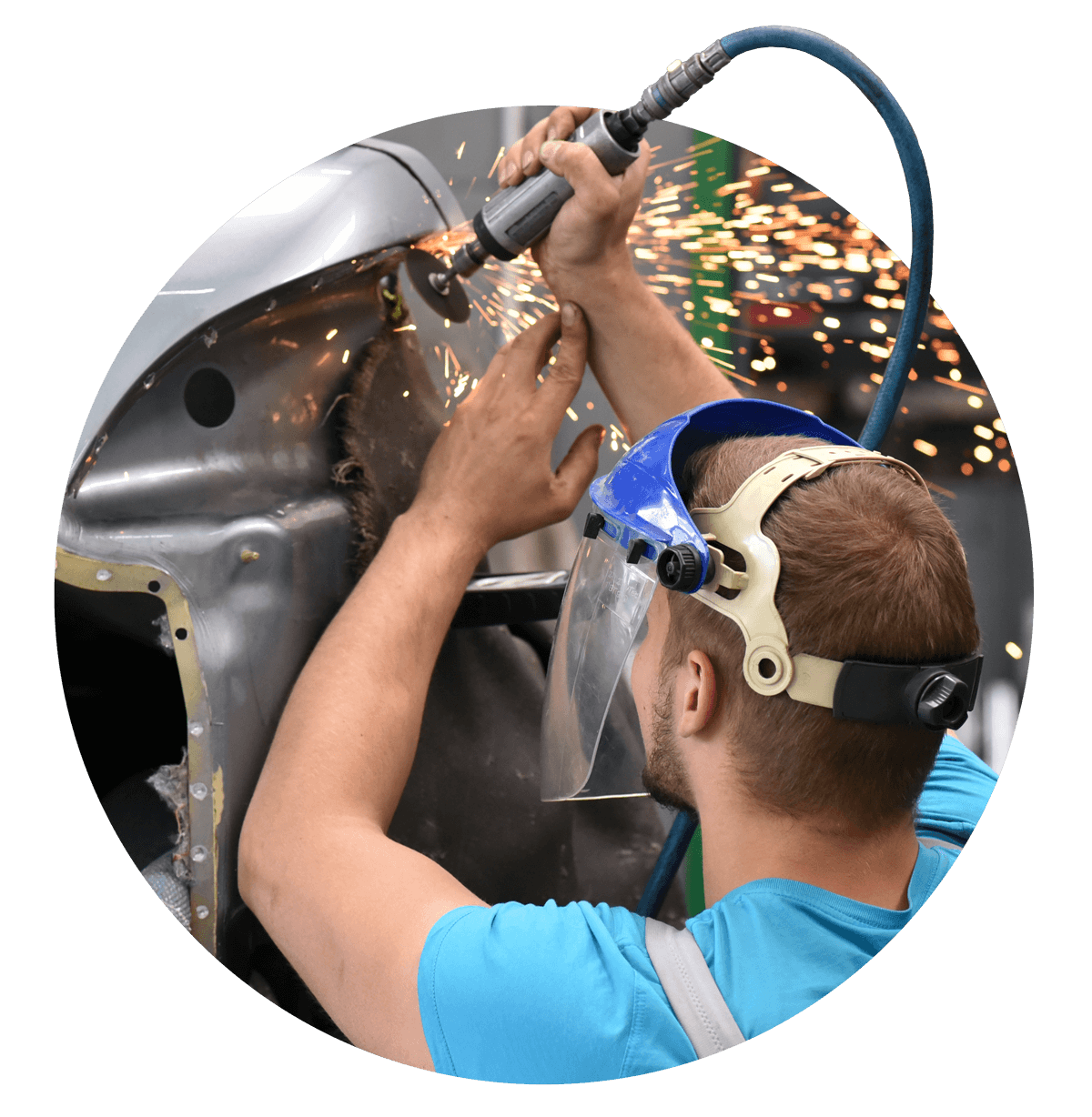
For example:
Rust repair is significantly more expensive than simple paint work.
Misaligned components can wear out additional parts.
Safety sensor calibration may require extra work if components shift further over time.
By addressing damage early, technicians can repair the affected areas before secondary issues develop. This keeps the scope of the repair smaller and more predictable.
Peace of Mind Matters Too
Even if a damaged vehicle continues to drive normally, many drivers feel uneasy knowing something isn’t quite right.
Repairing collision damage restores more than just the appearance of the vehicle. It helps ensure the car is structurally sound, safe to drive, and functioning as intended by the manufacturer.
For many drivers, fixing the damage sooner simply provides peace of mind.
When Should You Schedule a Repair?
If your vehicle has been involved in a collision, it’s always a good idea to have it inspected by a qualified collision repair shop. Even if the damage appears minor, a professional inspection can identify hidden issues that might otherwise go unnoticed.
At Elevated Auto Body, our team carefully evaluates both visible and structural damage to determine the safest and most effective repair plan. Our goal is to restore your vehicle to proper condition while helping you avoid additional issues later.
If you’ve been putting off repairs after an accident, scheduling an inspection now can help prevent small problems from becoming larger ones.
Need collision repair in Lafayette or Boulder County?
Contact Elevated Auto Body today to schedule an estimate and get your vehicle safely back on the road.