Frame Damage vs. Cosmetic Damage: How to Tell the Difference After a Collision
After a car accident, it is not always easy to tell how serious the damage really is. A dented bumper, scratched paint, or cracked headlight may look like the biggest problem at first glance. But in some cases, the most important damage is not what you can see from the outside.
Collision damage generally falls into two categories: cosmetic damage and structural damage. Cosmetic damage affects the appearance of your vehicle, while structural or frame damage can impact how your vehicle drives, protects you, and holds its value over time.
Understanding the difference can help you know when a repair is simple and when it needs immediate professional attention.
What Is Cosmetic Damage?
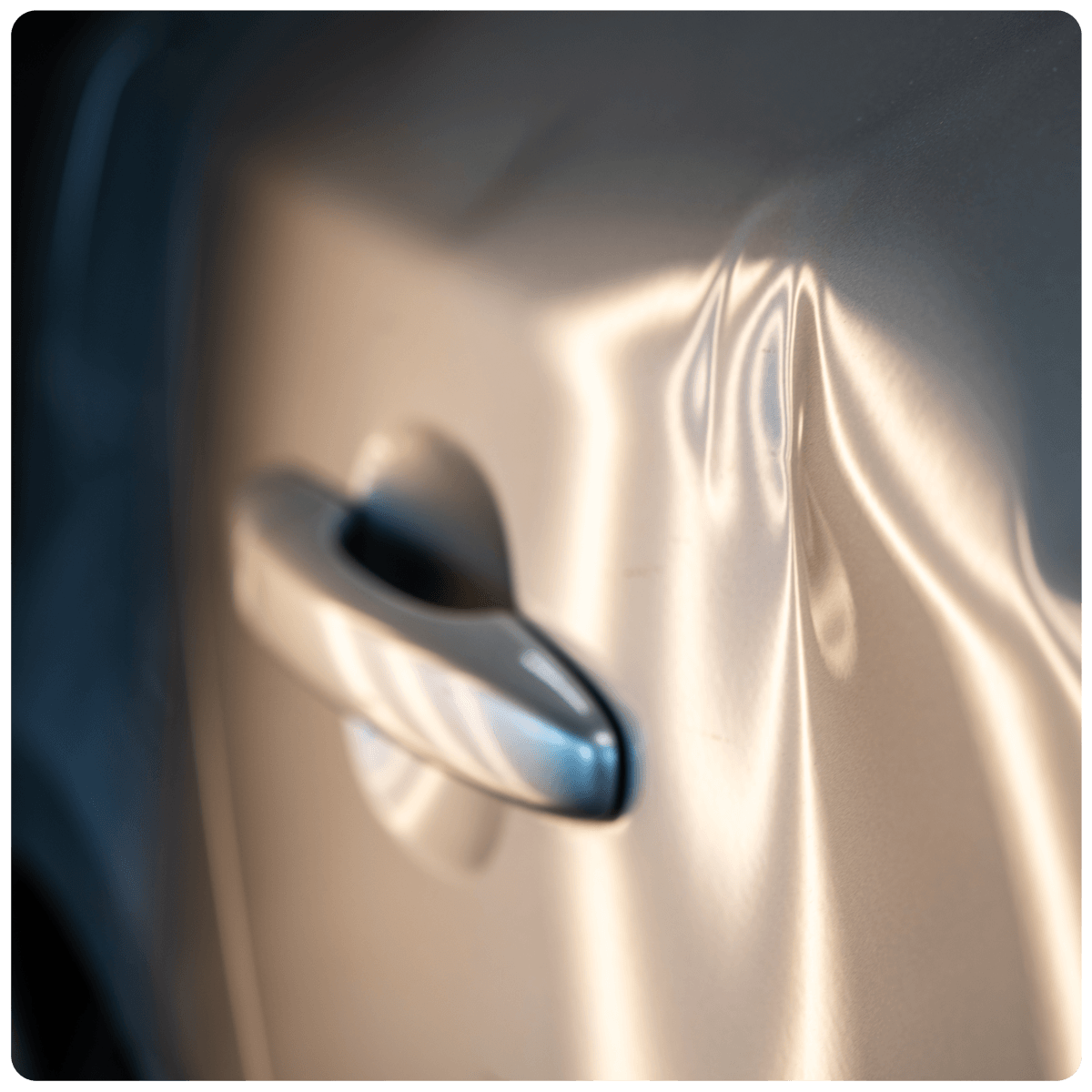
Cosmetic damage refers to damage that affects how your vehicle looks but does not typically impact its safety, alignment, or structural integrity. This can include scratches, small dents, paint damage, cracked trim, minor bumper scuffs, or surface-level damage to exterior panels.
While cosmetic damage may not always make your vehicle unsafe to drive, it is still important to have it inspected and repaired. Scratches and paint chips can expose the metal underneath, which may lead to rust over time. Small dents can also hide damage beneath the surface, especially if the impact happened near sensors, brackets, lights, or bumper components.
In other words, cosmetic damage may look minor, but that does not always mean the repair should be ignored.
What Is Frame Damage?
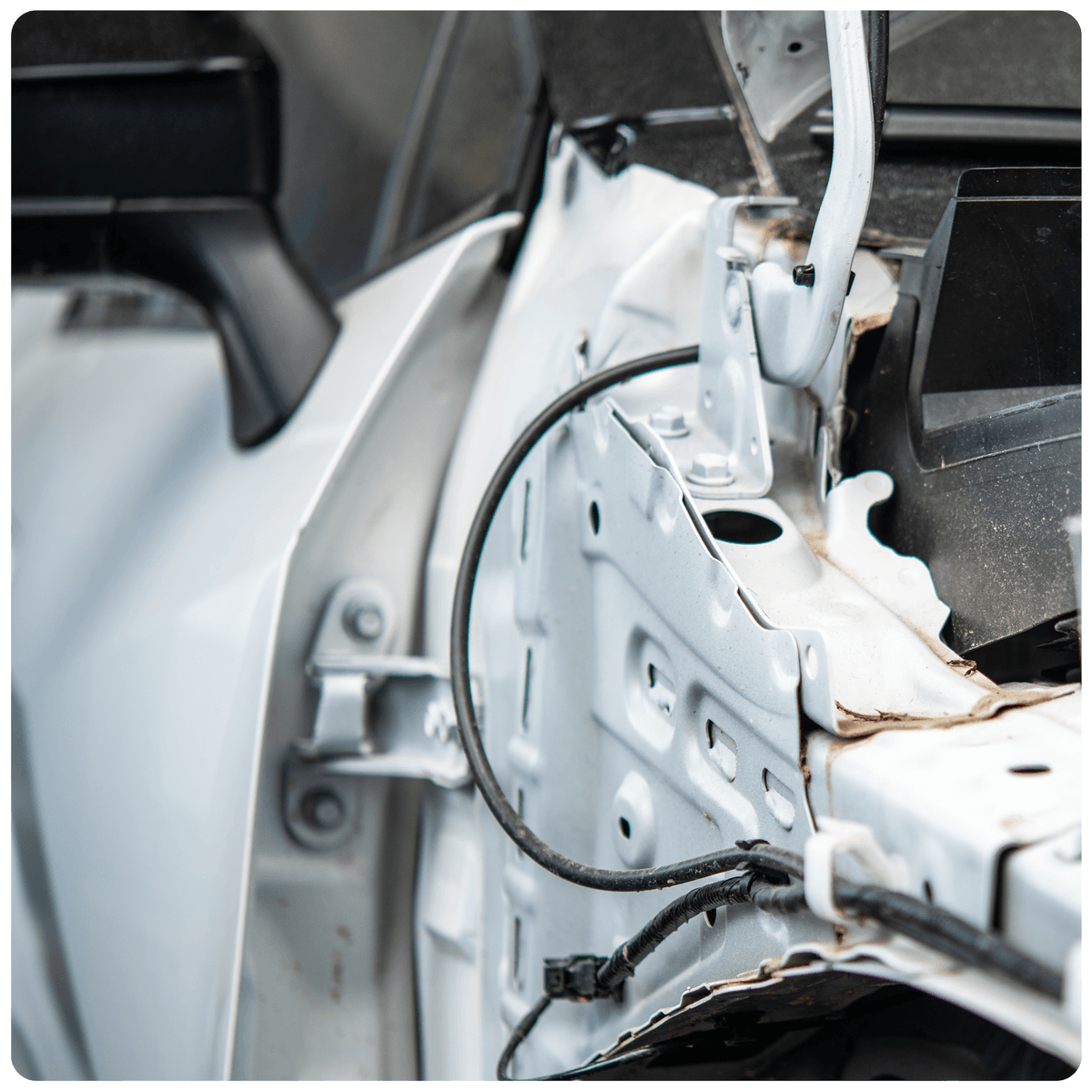
Frame damage is more serious. It happens when the structure of the vehicle is bent, shifted, weakened, or compromised during a collision. Modern vehicles are built with specific structural zones designed to absorb impact and protect passengers. When those areas are damaged, the vehicle may not perform the same way in another accident unless it is properly repaired.
Frame damage can happen in major collisions, but it can also occur after what seems like a smaller accident. A rear-end collision, side impact, curb hit, or front-end crash can all affect the structure of the vehicle depending on the angle and force of the impact.
Because frame damage is not always visible, it is important to have your vehicle inspected by a collision repair professional after an accident.
Signs Your Vehicle May Have Frame or Structural Damage
Some warning signs are easy to notice. Others may only show up once you start driving again. If you experience any of the following after a collision, it is worth scheduling an inspection right away:
Doors, hood, or trunk not closing properly
A door that suddenly sticks, a trunk that does not latch smoothly, or a hood that looks uneven can be a sign of deeper damage.
Uneven gaps between panels
If your doors, hood, trunk, or fenders no longer line up evenly, it could mean the vehicle’s structure has shifted.
Steering feels different
A steering wheel that feels loose, crooked, or harder to control after a collision should not be ignored.
Vehicle pulling to one side
If your car pulls left or right while driving, the alignment or structure may have been affected.
Uneven tire wear
If your tires begin wearing unevenly after an accident, it could be related to alignment or suspension issues caused by the impact.
Strange noises while driving
Creaking, clunking, rubbing, or rattling sounds may point to hidden damage under the vehicle or behind exterior panels.
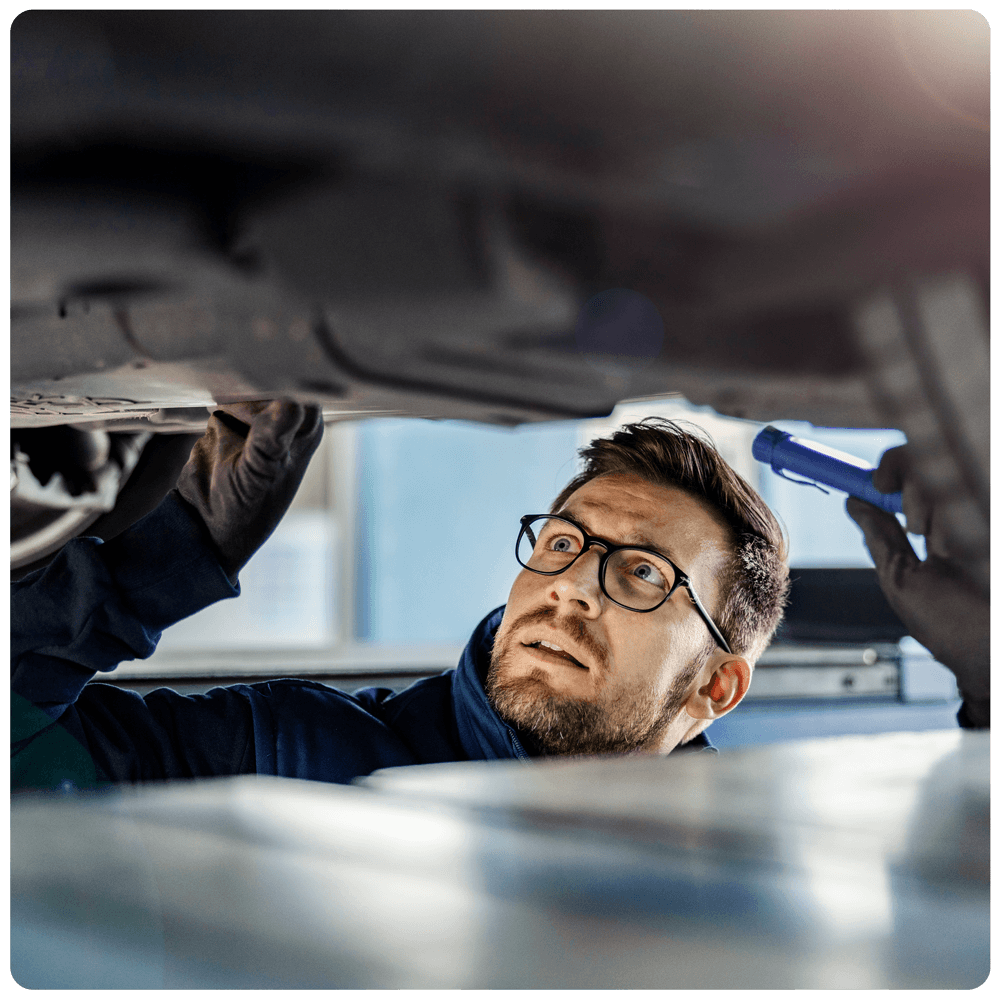
Visible bending or damage underneath the vehicle
If you notice anything bent, cracked, hanging, or out of place under the car, have it inspected before continuing to drive.
Why It Matters
The biggest difference between cosmetic damage and frame damage is safety. Cosmetic damage may affect appearance and resale value, but frame damage can affect how your vehicle protects you in the future.
A vehicle with unrepaired structural damage may not absorb impact correctly in another collision. It may also drive poorly, wear through tires faster, or cause additional mechanical problems over time. Even if the car seems drivable, hidden damage can become more expensive the longer it goes unaddressed.
There is also the issue of long-term value. Proper collision repairs help protect your investment by restoring the vehicle as closely as possible to pre-accident condition. If structural repairs are needed, documentation from a professional repair facility can also be important for insurance claims and future resale.
Can You Drive With Frame Damage?
It depends on the severity of the damage, but it is always best to be cautious. If your vehicle feels different, makes new noises, pulls to one side, or has visible structural concerns, it should be inspected before you continue driving.
Even if the damage appears cosmetic, a professional inspection can confirm whether the vehicle is safe and identify any hidden issues behind the panels.
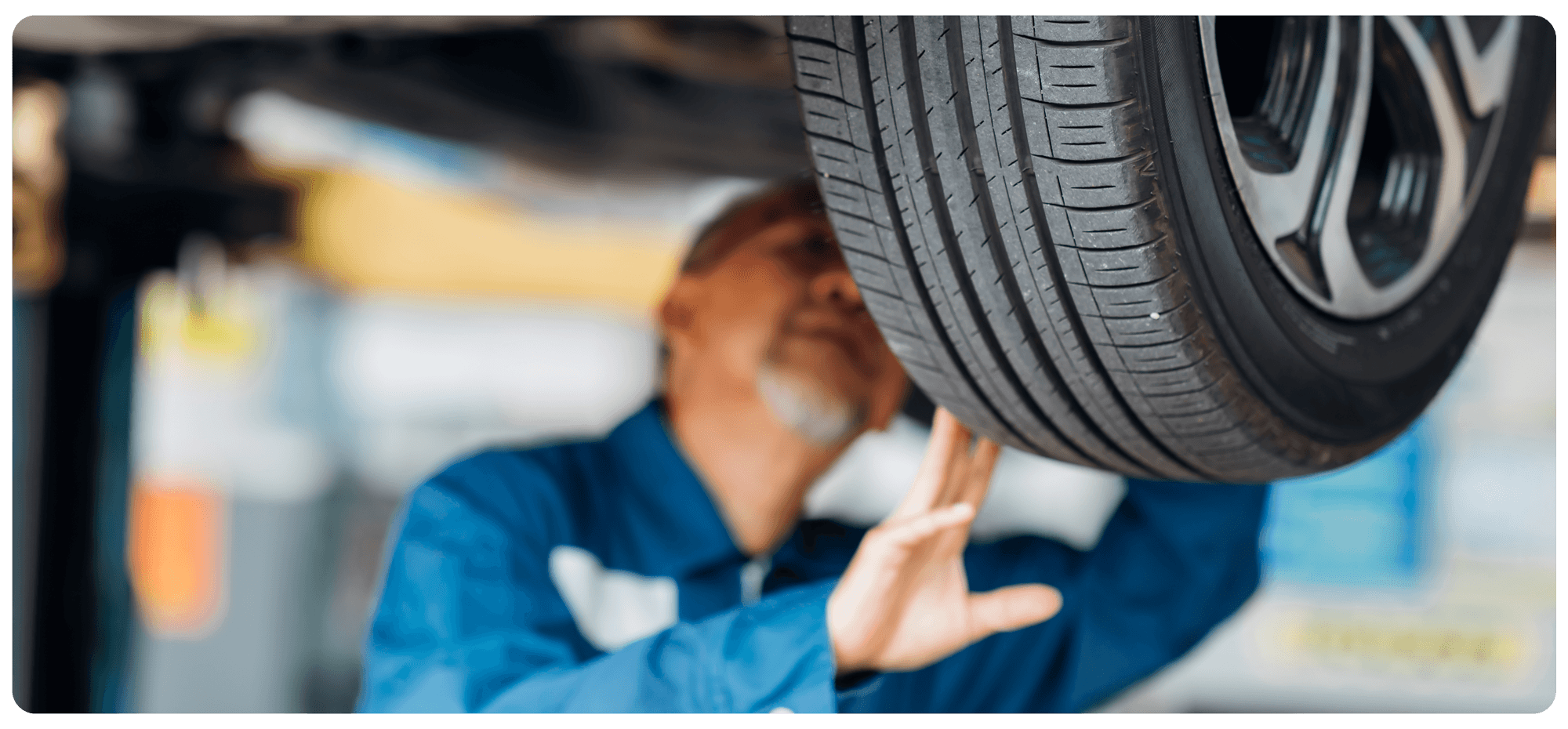
Get a Professional Collision Inspection
After an accident, the safest next step is to have your vehicle inspected by a trusted auto body repair shop. At Elevated Auto Body, we look beyond the surface to identify both visible and hidden collision damage. From cosmetic repairs to structural damage, our team can help restore your vehicle safely and correctly.
If you were recently in an accident, do not guess based on what you can see. Schedule an inspection with Elevated Auto Body and get the clarity you need before small damage turns into a bigger problem.