Frame Damage vs. Cosmetic Damage: How to Tell the Difference After a Collision
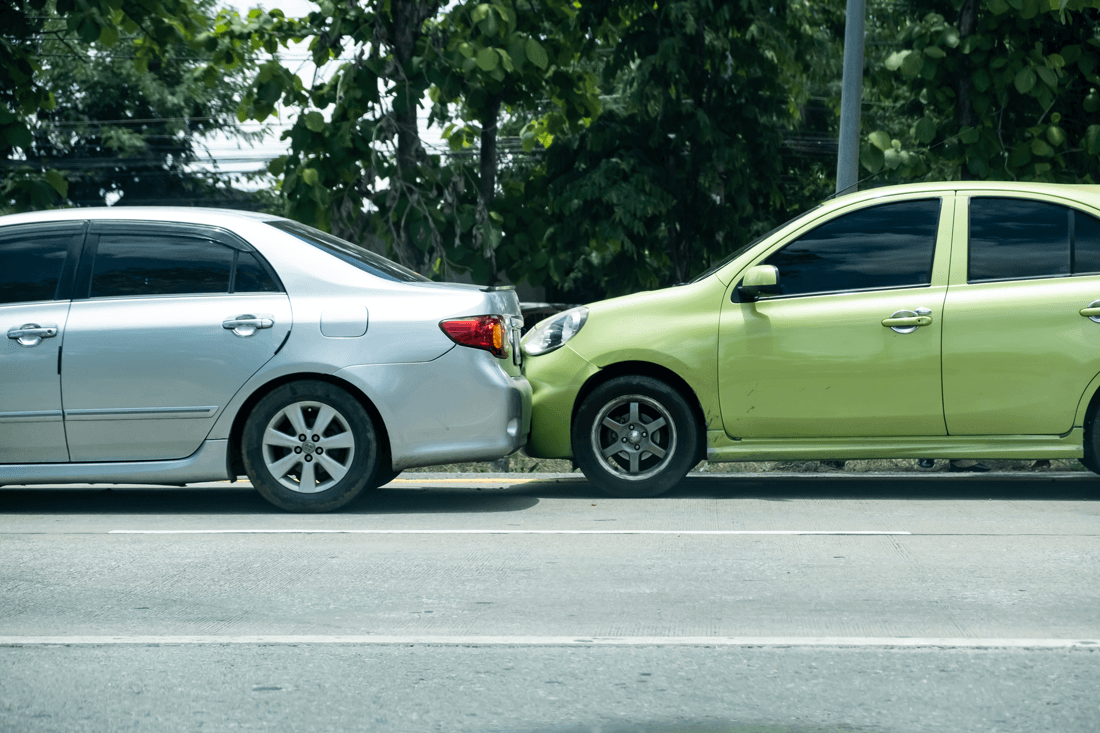
After an accident, it is easy to focus on the damage you can see. A dented bumper, scratched paint, or crumpled fender may look like the biggest problem, but visible damage does not always tell the whole story.
Some collision damage is primarily cosmetic. Other damage can affect the vehicle’s structure, alignment, handling, and safety systems. In many cases, the difference is difficult to determine without a professional inspection.
Understanding the signs of cosmetic and structural damage can help you know when a repair may be relatively straightforward and when your vehicle needs immediate attention.
What Is Cosmetic Damage?
Cosmetic damage generally affects the vehicle’s appearance without compromising its main structure or mechanical operation.
Common examples include:
Light hail damage
Damaged trim or molding
Minor surface damage to a body panel
Small dents and dings
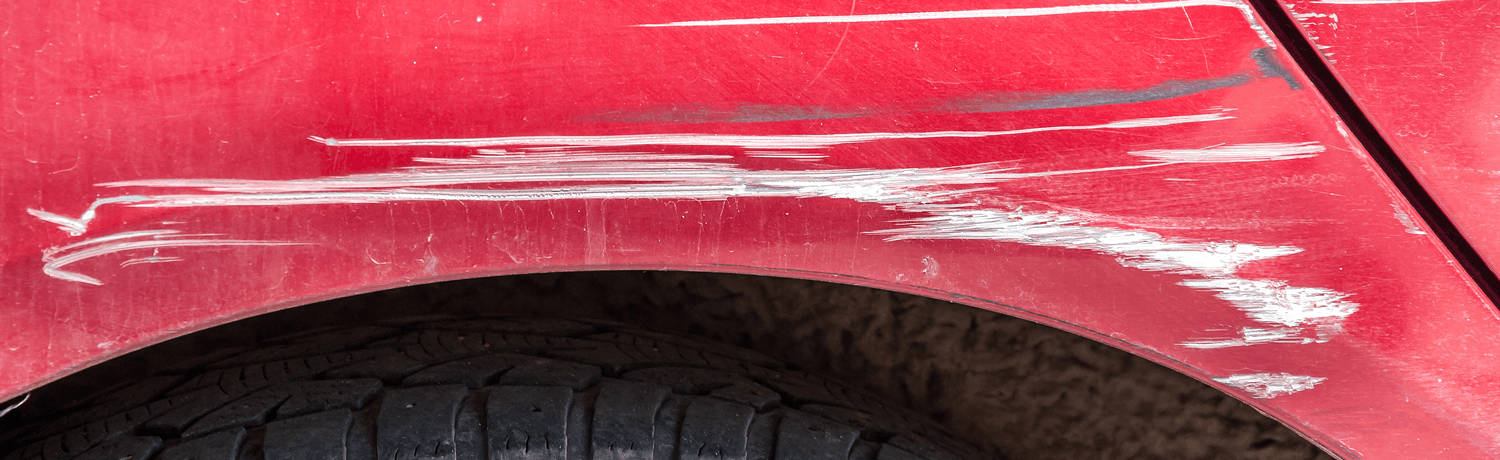
Scratches and paint chips
Minor bumper scuffs
While cosmetic damage may not create an immediate safety concern, it should not always be ignored. Chipped paint and exposed metal can eventually lead to rust or corrosion. Loose trim, cracked bumpers, or damaged exterior components can also worsen over time.
It is also important to remember that damage that looks cosmetic may be hiding problems underneath the surface.
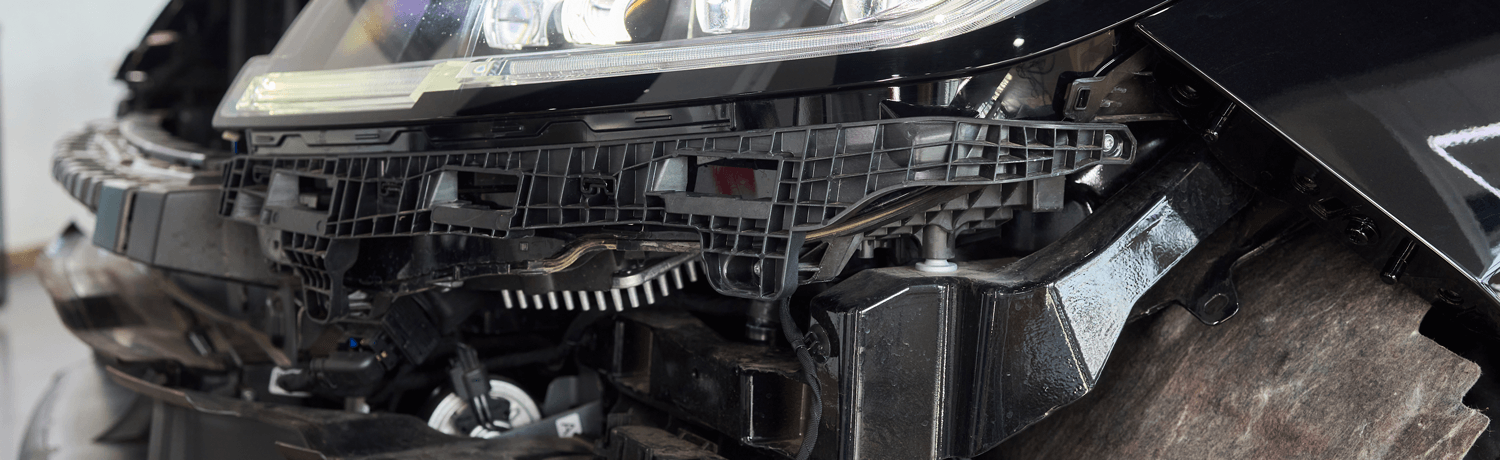
A bumper cover, for example, may return to its original shape after an impact while the absorber, reinforcement bar, mounting brackets, or sensors behind it remain damaged.
What Is Frame or Structural Damage?
The term “frame damage” is commonly used to describe damage to the parts of a vehicle that support its shape, absorb collision forces, and protect the passenger compartment.
Some trucks and SUVs are built using a body-on-frame design, meaning the body is mounted onto a separate frame. Most modern passenger vehicles use a unibody design, where the body and structure are integrated into one unit.
In either case, structural damage may involve components such as:
Frame rails
Pillars
Rocker panels
Aprons
Floor sections
Crumple zones
Radiator supports
Suspension mounting points
Reinforcement structures
These areas are designed to manage energy during a collision. If they are bent, twisted, crushed, or repaired incorrectly, the vehicle may not perform as intended in another accident.
Signs Your Vehicle May Have Structural Damage
Structural damage is not always obvious. Your vehicle may still start, drive, and look relatively normal after a collision.
Watch for these common warning signs:
-
The spaces between the hood, doors, trunk, fenders, and other panels should be relatively even.
If one gap appears wider or narrower than the others, or a door no longer sits flush with the body, the underlying structure may have shifted.
-
If a door suddenly sticks, requires extra force, or will not latch correctly after an accident, do not assume it only needs a minor adjustment.
Changes in how these components open and close can indicate alignment or structural issues.
-
A vehicle that drifts or pulls after a collision may have an alignment problem, suspension damage, or a change in structural geometry.
Even if the steering wheel looks straight, the wheels and suspension components may no longer be positioned correctly.
-
Structural, suspension, and alignment problems can cause tires to wear unevenly.
This may not appear immediately, but it can become noticeable in the weeks or months following an accident.
-
Your vehicle may feel unstable, difficult to steer, or different when turning or braking.
Any change in handling after a collision should be inspected promptly, especially if the vehicle feels like it is wandering, vibrating, or leaning.
-
Clunking, rattling, squeaking, grinding, or wind noise can indicate damaged mounts, loose components, misaligned panels, or suspension problems.
Water leaks or increased road noise may also develop when doors, windows, or body panels no longer seal properly.
-
If the steering wheel is no longer centered when the vehicle is traveling straight, there may be an alignment, steering, suspension, or structural issue.
-
Look for unusual creases, ripples, or buckling around the engine compartment, trunk floor, wheel wells, door openings, or underneath the vehicle. These signs may indicate that collision forces traveled beyond the visibly damaged panel.
-
A collision may trigger warning lights related to airbags, steering, braking, traction control, parking sensors, or advanced driver-assistance systems.
These warnings should not be cleared without first identifying and repairing the underlying issue.
Can a Minor Accident Cause Frame Damage?
Yes. The appearance of the accident does not always reflect the amount of damage underneath.
A low-speed impact can still damage bumper reinforcements, mounting points, suspension components, sensors, or crumple zones. The angle of the collision, the location of the impact, and the type of vehicle involved all affect how force travels through the vehicle.
A rear-end collision that leaves only a small bumper dent could still damage components behind the bumper. A curb impact may leave little visible body damage while bending a wheel, control arm, or suspension mounting point.
That is why it is risky to decide a vehicle is safe based only on what can be seen from the outside.
Why Structural Damage Requires Professional Equipment
Properly evaluating structural damage requires more than a visual inspection.
Collision repair facilities may use computerized measuring systems, frame equipment, diagnostic scanning, alignment tools, and manufacturer repair information to determine whether the vehicle is within specification.
The inspection may include checking:
Structural measurements
Wheel alignment
Suspension mounting locations
Diagnostic trouble codes
Airbag and restraint systems
Cameras, radar, and parking sensors
Panel fit and door operation
Damage behind exterior panels
Modern vehicles are built using a combination of high-strength steels, aluminum, adhesives, welds, and other specialized materials. Repair methods that work for one vehicle may not be approved for another.
Following vehicle-specific repair procedures helps ensure that damaged components are repaired or replaced correctly.
Cosmetic Damage Can Still Affect Vehicle Value
Even when damage is only cosmetic, repair quality matters.
Visible dents, scratches, mismatched paint, poor panel fit, and unfinished repairs can reduce buyer confidence and lower trade-in or resale offers.
Paint damage can also expose the underlying material to moisture, road salt, and corrosion. Addressing cosmetic damage early can help preserve the vehicle’s appearance and prevent a smaller problem from becoming more expensive.
Is It Safe to Drive After a Collision?
It depends on the type and severity of the damage.
Do not continue driving if you notice:
Fluid leaking from the vehicle
Tires rubbing against the body
Steering or braking problems
Severe pulling or instability
Airbag or safety system warnings
Loose or hanging parts
Broken lights that affect visibility
Smoke, unusual smells, or overheating
Doors that will not latch securely
When you are uncertain, have the vehicle towed rather than taking the risk.
Even if the vehicle appears drivable, scheduling an inspection can help identify hidden damage before it affects safety, tire wear, handling, or repair costs.
Do Not Judge Collision Damage by Appearance Alone
The difference between cosmetic and structural damage is not always visible from the outside.
A scratched panel may truly be a surface-level issue. A bumper that looks nearly untouched may be hiding damaged reinforcements, sensors, or mounting components. The safest way to know is to have the vehicle evaluated by a trained collision repair professional.
At Elevated Auto Body, we inspect more than the obvious damage. Our team looks at the vehicle’s structure, alignment, safety systems, exterior components, and manufacturer repair requirements to build a complete repair plan.
If your vehicle has been involved in an accident, contact Elevated Auto Body in Lafayette, Colorado, to schedule an estimate and make sure the damage is properly identified before repairs begin.